From Waste to Worth

How it works at Reloop Recycle

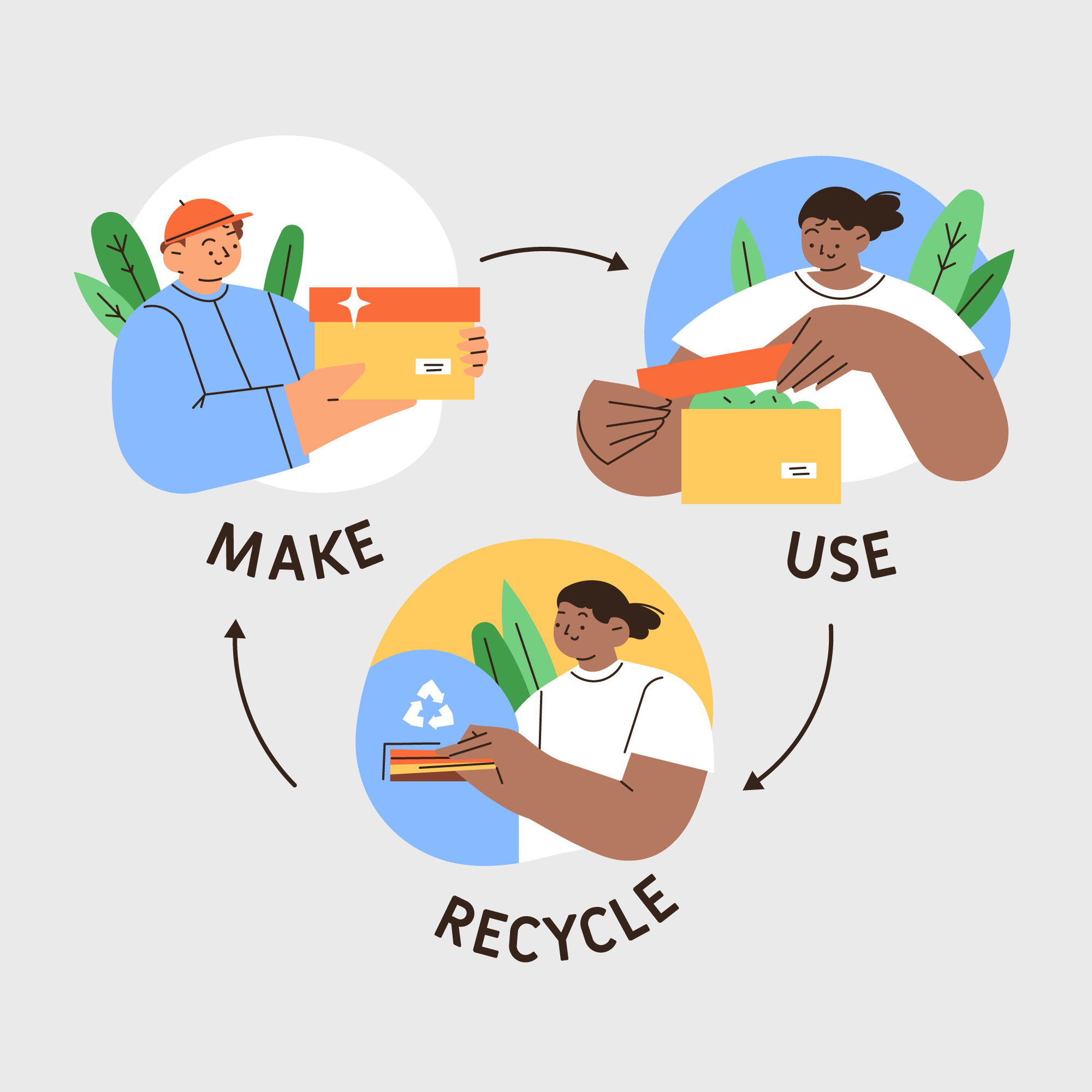
At Reloop Recycling, we transform end-of-life electronics and other waste into valuable resources. This page outlines how our process works, from collection to recovery, ensuring transparency, security, and sustainability at every step.
Step 1: Asset Identification & Inventory

  • We begin by assessing your waste stream — listing devices, batteries, components, etc.
  • You receive a clear inventory report showing what items will be handled, and what materials may be recovered.
  • This ensures full visibility and planning before we proceed.

Step 2: Secure Collection & Reverse Logistics

  • We coordinate safe pickup or drop-off via our reverse logistics network.
  • All transportation is managed with tracked and compliant procedures.
  • Chain of custody is established so that items are traceable at all times.

Step 3: Certified Data Destruction & Sanitization

  • Before recycling, we securely erase sensitive data using industry-standard methods.
  • Hard drives, SSDs, memory devices, and other storage are sanitized or destroyed irreversibly.
  • Certification is provided to assure privacy and regulatory compliance.

Step 4: Dismantling & Material Recovery

  • Devices are carefully disassembled into components and raw materials (metals, plastics, glass, etc.).
  • We segregate hazardous parts (like batteries, circuit boards, mercury) for safe handling.
  • Recovery techniques maximize reuse, recycling, and minimal waste.

Step 5: Repair, Refurbishment & Remarketing

  • Where feasible, devices or parts are refurbished to re-enter the market.
  • Refurbished units are tested against quality standards before resale.
  • This extends product lifetimes and reduces e-waste.

Step 6: Recycling & Safe Disposal

  • Materials that cannot be reused are processed in specialized recycling facilities.
  • Batteries, solar panel parts, and other niche e-waste streams are handled with care.
  • Non-electronic waste (textiles, FMCG, cosmetics) is also processed under eco-compliant procedures.

Step 7: Impact Reporting & Traceability

  • After processing, you receive detailed reports:
    • Circular Economy Change Report
    • Material Recovery Traceability
    • Environmental Impact Analysis
  • These help you track waste reduction, resource recovery, and sustainability gains.